



It starts with Echelon | Delivery in 5-7 days (Mainland UK)


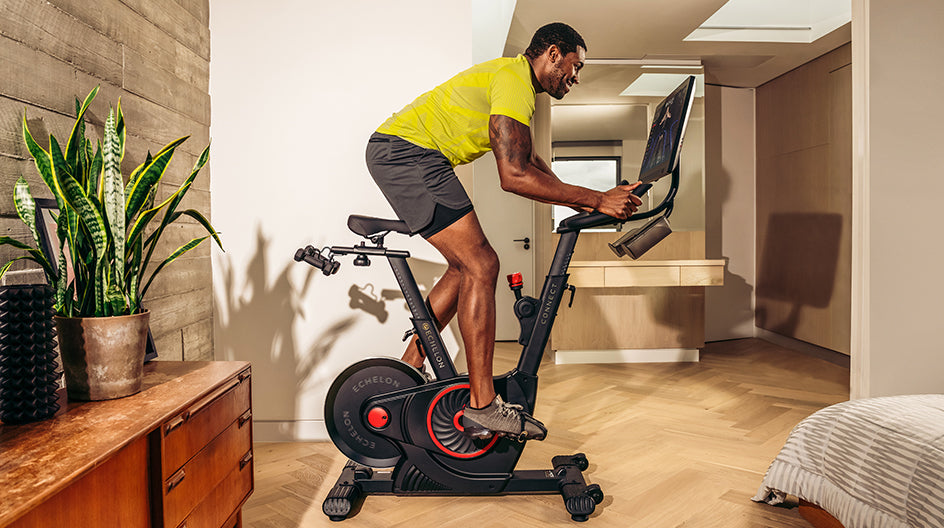
Smart Bikes
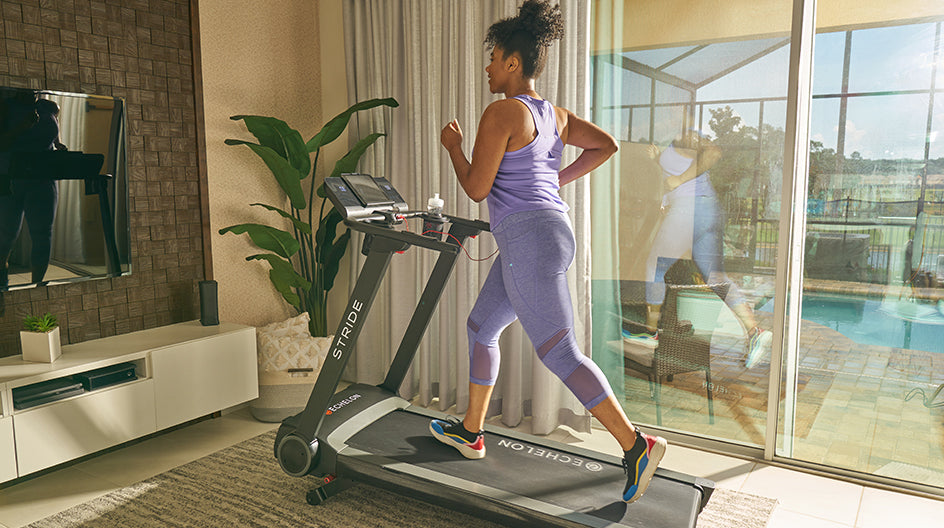
Smart Treadmills
Smart Rowers

Stair Climber

Smart Fitness Mirror

Strength Home
NEW!

Exercise Bench
NEW!

Adjustable Dumbbells
NEW!
SMART HOME ROWERS
Why choose Echelon?REFLECT FITNESS MIRROR
Why Choose Echelon?STRENGTH
Why Choose Echelon?Strength Training Myths Instructors Want You to Stop Believing

5 min read
Why Strength Training Myths Are Holding You Back
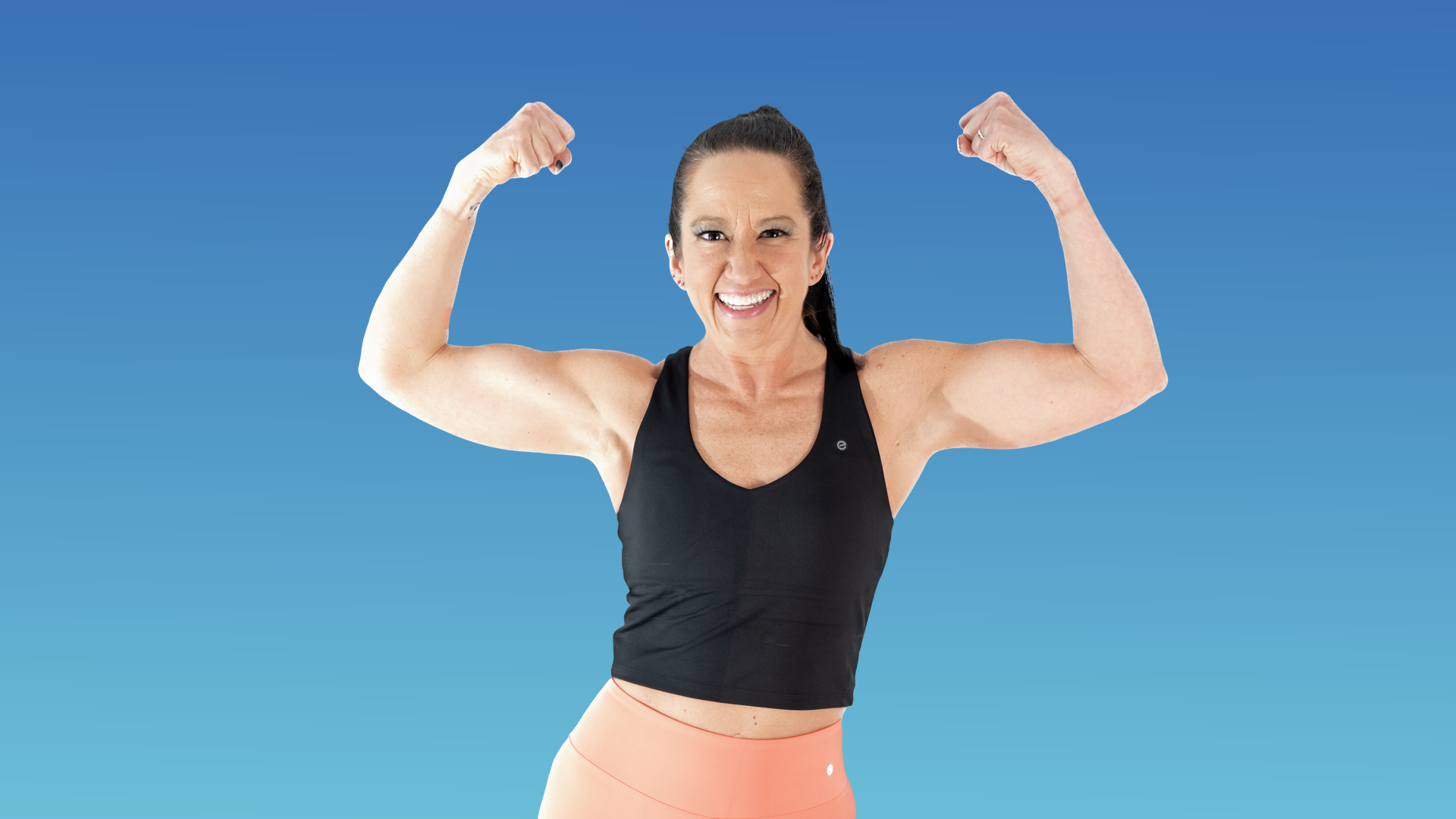
Strength training is one of the most popular — and most misunderstood — forms of exercise. As an Echelon instructor, it is also my personal favourite, which is exactly why the misinformation that surrounds it frustrates me so much.
From social media to gym floor conversations, outdated myths continue to put people off lifting weights entirely, or lead them to train in ways that slow their progress. The truth is that strength training is one of the most adaptable, empowering, and beneficial forms of exercise available — for every fitness level, age, and goal.
Let's clear up the biggest myths I wish would disappear, and replace them with advice that actually works. And if I can convince you to join a strength class on FitPass and earn some Rynpoints along the way, even better.
The 7 Biggest Strength Training Myths
Myth #1: Lifting Weights Will Make You Bulky
This is the most common concern I hear, particularly from women who are new to strength training.
Building significant muscle mass requires very specific training, nutrition, and genetics — it does not happen by accident. The vast majority of people who lift weights become stronger, leaner, and more defined. Not bulky.
Muscle growth requires consistent progressive overload, sufficient calorie intake, and deliberate programming sustained over a long period. It is genuinely hard work to achieve, even for those actively trying.
For most people, strength training improves muscle tone, posture, metabolism, and confidence — creating a more sculpted appearance rather than added bulk.
Advice for all levels:
- Beginners: Start with bodyweight exercises or light dumbbells and focus on learning good form before adding resistance.
- Intermediate: Increase resistance gradually rather than simply adding more repetitions.
- Advanced: Lift heavy. Do not limit yourself out of an unfounded fear of bulking up.
Myth #2: Cardio Is Better Than Strength Training for Fat Loss
Cardiovascular exercise burns calories during the session — and that is valuable. But strength training changes how your body burns energy across the entire day.
Muscle tissue requires more energy to maintain than fat tissue. Increasing muscle mass raises your resting metabolic rate over time, meaning your body burns more calories even at rest. That is a meaningful long-term advantage that steady-state cardio alone cannot replicate.
The best fitness programmes combine strength training, cardiovascular work, and adequate recovery — not one at the expense of the others.
Strength training also preserves muscle whilst losing weight, which prevents the fatigued, depleted feeling many people experience on cardio-only approaches.
Advice for all levels:
- Beginners: Alternate strength sessions with walking or low-impact cardio.
- Intermediate: Aim for two to four strength sessions per week alongside shorter cardio finishers.
- Advanced: Use interval training strategically rather than long daily cardio sessions.
Myth #3: You Have to Feel Sore for a Workout to Be Effective
Soreness is not a reliable measure of progress.
Muscle soreness tends to occur when you try something new or increase intensity too quickly. As your body adapts, soreness naturally decreases — even when you are continuing to make real gains. Chasing soreness as a marker of a good session can increase injury risk and slow recovery.
Progress is better measured by improved strength, endurance, and mobility.
Look for these markers instead:
- Lifting heavier weights, even if it feels challenging
- Improved technique and movement quality
- Greater control, more rounds, or additional reps
- Faster recovery between sessions (restorative yoga on the app can help with this)
If you can move well the following day, that is a positive sign — not a missed opportunity.
Myth #4: Strength Training Is Only for Younger People
If anything, strength training becomes more important as we age.
Muscle mass naturally declines over time, affecting balance, bone density, and everyday function. Resistance training helps counteract these changes and supports long-term independence and quality of life.
Echelon members who began lifting in their 40s, 50s, and beyond have reported significant improvements in energy, mobility, and confidence. It is almost never too late to start. If you have any concerns, speak with your GP first.
Advice for all levels:
- Beginners and older adults: Focus on controlled movements and stability work.
- Intermediate: Add resistance gradually whilst prioritising joint health.
- Advanced: Include power and balance work to maintain athletic capability.
Strength training is about longevity — and that matters far more than aesthetics.
Myth #5: Machines Are Better Than Free Weights
Machines have their place, but they are not superior.
Weight machines guide movement patterns and can build confidence for beginners learning how to train safely. However, free weights recruit stabilising muscles and improve coordination in ways that fixed machines cannot fully replicate.
Real-life movements rarely happen on fixed tracks. Personally, I favour functional exercises that translate directly into everyday life — including unilateral movements that train each side of the body independently.
Both tools have genuine value. The skill is in knowing when to use each one.
Advice for all levels:
- Beginners: Use machines to learn movement patterns, or start with light free weights under guidance.
- Intermediate: Progress to heavier dumbbells and kettlebells.
- Advanced: Incorporate unilateral and functional movements for balance and full-body strength.
Myth #6: You Need Long Workouts to See Results
Many people put off strength training because they assume sessions must last an hour or more to be worth doing.
Focused sessions of just 20 to 30 minutes can be highly effective when exercises are selected with intention. Compound movements — those that work multiple muscle groups simultaneously — maximise efficiency and deliver more benefit in less time.
Consistency beats duration every time. A short session done regularly will always outperform an occasional marathon workout. Echelon has sessions as short as five to ten minutes on the app, so there is genuinely no minimum time requirement to get started.
Myth #7: Strength Training Is Only Physical
One of the most underappreciated benefits of strength training is its effect on mental wellbeing.
Regular lifting builds resilience, confidence, and provides meaningful stress relief. On a difficult day, a strength session can shift your mindset as much as it challenges your body. Tracking progress, mastering new skills, and feeling capable carry directly into everyday life.
Strength training teaches patience and self-trust — and those qualities pay dividends well beyond the gym.
Celebrate the small wins: one extra rep, better balance, improved posture, a heavier weight. These accumulate into powerful, lasting motivation.
There Is No Single "Right" Way to Strength Train
The biggest misconception of all is that strength training follows one fixed formula.
Effective strength training is entirely adaptable. It should meet you where you are and evolve alongside your goals, schedule, and abilities — whether you are picking up a dumbbell for the first time or refining an advanced programme.
The fundamentals remain consistent regardless of level:
- Prioritise consistency over intensity
- Focus on good form before adding load
- Progress gradually and with intention
- Recover properly between sessions
- Train for the life you want to live
Strength Training Really Is for Everyone
When Echelon instructors say strength training is for everyone, we mean it without qualification.
The sooner these myths are put to rest, the sooner more people can experience what strength training genuinely offers — not just stronger muscles, but stronger confidence, better health, and a more capable, independent life.
Try a strength class on FitPass today. Your future self will thank you.

Why Echelon is Different
See why we are the most affordable and best value at home fitness on the market.