It starts with Echelon | Delivery in 5-7 days (Mainland UK)
It starts with Echelon | Delivery in 5-7 days (Mainland UK)

4 min read
By Jama Oliver, Echelon Instructor
Say the phrase “low-impact workout” in most fitness spaces and watch the reaction.
Some people nod politely, as if you’ve just announced you’ve taken up knitting. Others assume you must be injured, recovering, pregnant, or simply “taking it easy”. And then there are those who believe a workout only counts if you’re flat on the floor afterwards wondering what just happened.
But if you’ve trained with me, you already know the truth:
Low-impact training is where real, sustainable progress happens.
This isn’t about punishing workouts that leave you unable to walk downstairs for three days. It’s about intelligent, joint-friendly training that helps you improve week after week — something Echelon delivers brilliantly across Connect, Stride, Row, FitPass and Reflect.
Low impact isn’t a compromise.
It’s how you actually reach your fitness goals — and keep them.
Let’s be honest, fitness culture often treats intensity like a badge of honour.
Somewhere along the line, we started believing that if a workout looks brutal, it must be effective.
People chase:
endless jumping workouts
sprint sessions that feel unsustainable
complicated movements designed for social media
routines that prioritise exhaustion over progress
But increasingly, coaches, physiotherapists and experienced athletes are moving away from this mindset.
Because the evidence is clear:
The best results come from training you can sustain — not survive.
That’s exactly where low-impact training becomes a powerful advantage.
Low impact does not mean easy.
It means:
less stress on joints
strong muscle engagement
effective cardiovascular training
workouts you can repeat consistently
Echelon stands out because every training modality offers a low-impact option that still delivers serious results — without unnecessary wear and tear.
I say this in nearly every Connect session: these classes aren’t only for recovery or returning from injury (though they’re excellent for that).
They’re workouts you should schedule every week — especially on the days motivation is low. Showing up consistently matters far more than going all-out occasionally.
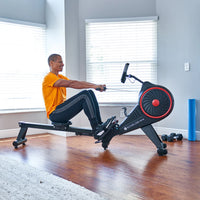
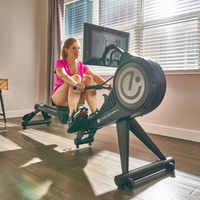
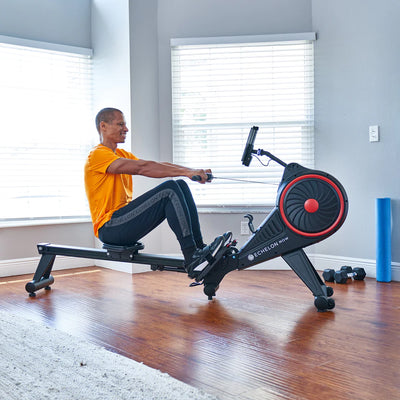
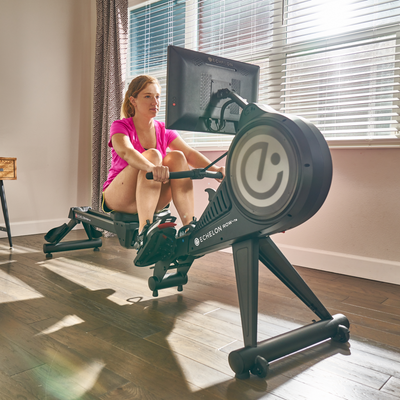
Rowing is a full-body workout that rewards good technique.
Low-impact rowing focuses on form, rhythm and sustainability — helping you build endurance without burning out early.
If you’ve heard me mention my knees, you’ll know even coaches need smarter training days.
Some sessions are about pushing hard. Others are about longevity — strengthening supporting muscles, improving stability and building resilience for the long term.
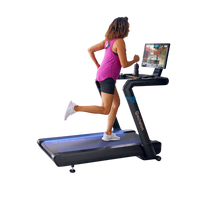
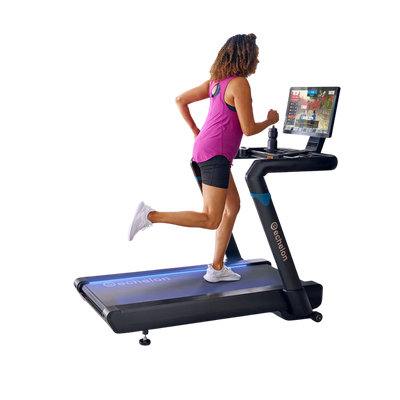
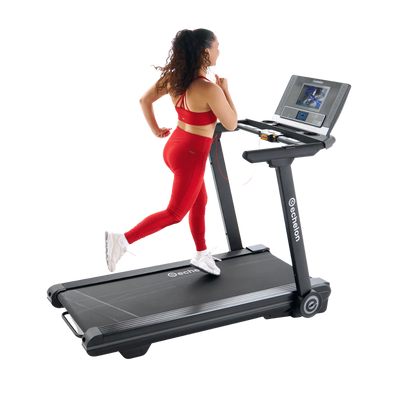
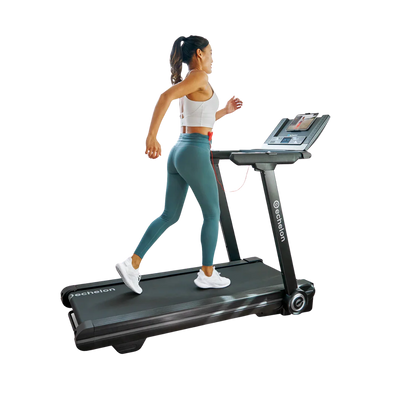
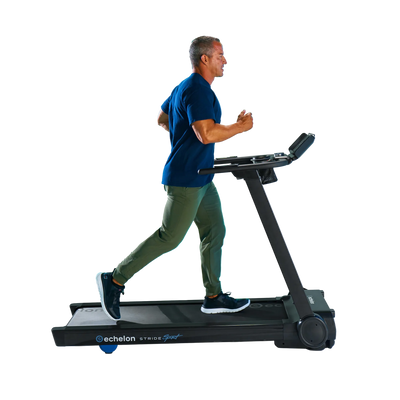
Running is brilliant — but walking deserves far more credit.
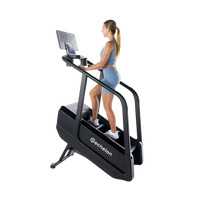
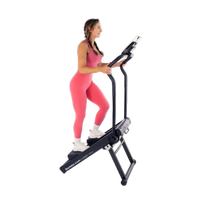
Incline walking builds cardiovascular fitness and muscular strength in ways many people overlook. In fact, there are days when walking feels tougher than running.
Both have their place. Walking simply allows you to train more often with less impact.
High-impact workouts can be draining.
Low-impact sessions allow regular movement without excessive fatigue — and consistency always beats intensity.
Controlled movement challenges muscles more effectively than momentum ever will.
Think:
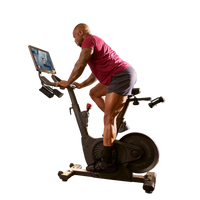
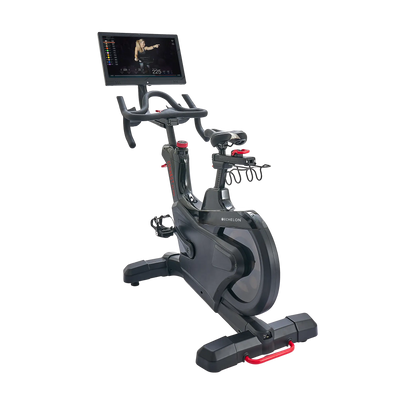
resistance-focused cycling
steady rowing pulls
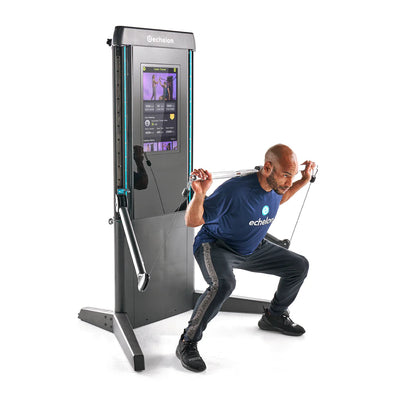
controlled strength training
incline walking that quietly targets your glutes
Low impact avoids injury — not effort.
Less joint stress means better recovery.
Better recovery leads to stronger performance, which leads to better long-term results.
It becomes a positive cycle instead of burnout.
Echelon members range from:
teenagers to people in their seventies
beginners to lifelong athletes
people returning after injury
new parents rebuilding strength
anyone wanting to feel fitter and more confident
Low-impact training is accessible without being watered down — and a brilliant way to build confidence before progressing further.
Build:
aerobic fitness
leg strength
cadence control
endurance
All while reducing strain on knees and hips.
Perfect for both structured training and lighter movement days.
Rowing quietly delivers:
back and leg strength
core stability
posture improvement
cardiovascular conditioning
Biomechanically gentle, physiologically demanding — one of the most effective workouts available.
These sessions focus on:
slow, controlled lifts
isometric holds
mobility work
tempo training
foundational technique
This is how lasting strength — and joint stability — is built.
Incline walking provides:
effective cardio training
glute and hamstring activation
improved balance and gait mechanics
Lower impact than running, but far from easy.
Here’s what many people overlook:
Most people don’t need harder workouts.
They need repeatable ones.
Progress doesn’t come from occasional extremes. It comes from showing up consistently.
Low impact isn’t the consolation prize — it’s the strategy that keeps you improving long enough to see real change.
Choosing low-impact workouts doesn’t mean choosing the easy option.
It means choosing:
smarter training
sustainable progress
long-term strength
Echelon’s low-impact classes aren’t an alternative approach — they’re a foundation built on science, not ego.
The people who train this way don’t burn out or give up.
They build results that last.
So if anyone questions your low-impact workout?
Just tell them:
Low impact doesn’t mean low results. It means training smarter.

Why Echelon is Different
See why we are the most affordable and best value at home fitness on the market.