



It starts with Echelon | Delivery in 5-7 days (Mainland UK)


Smart Bikes
Smart Treadmills
Smart Rowers

Stair Climber
Smart Fitness Mirror

Strength Home
NEW!

Exercise Bench
NEW!

Adjustable Dumbbells
NEW!
SMART HOME ROWERS
Why choose Echelon?REFLECT FITNESS MIRROR
Why Choose Echelon?STRENGTH
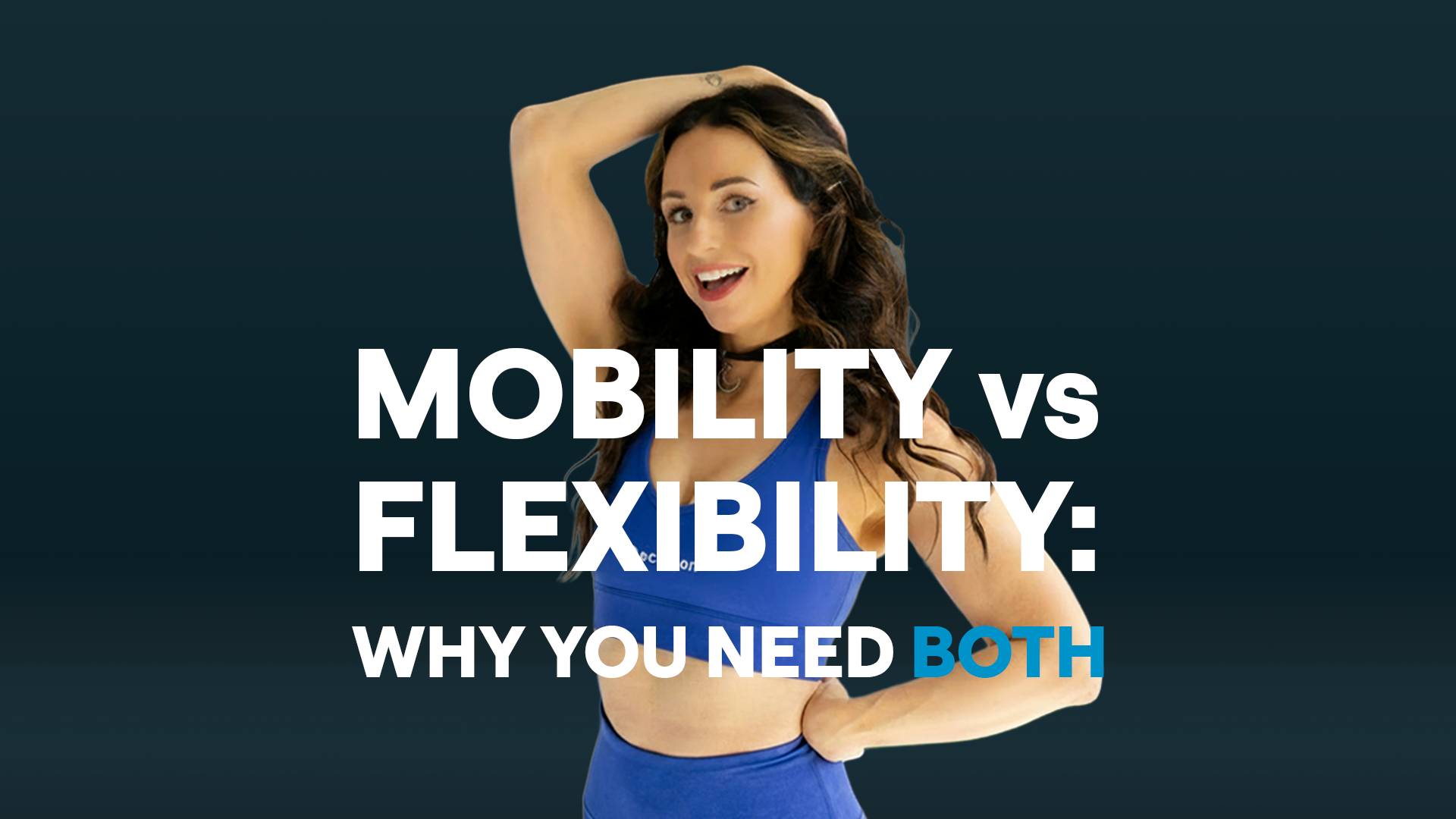
Why Choose Echelon?Mobility vs Flexibility: Why You Need Both
5 min read
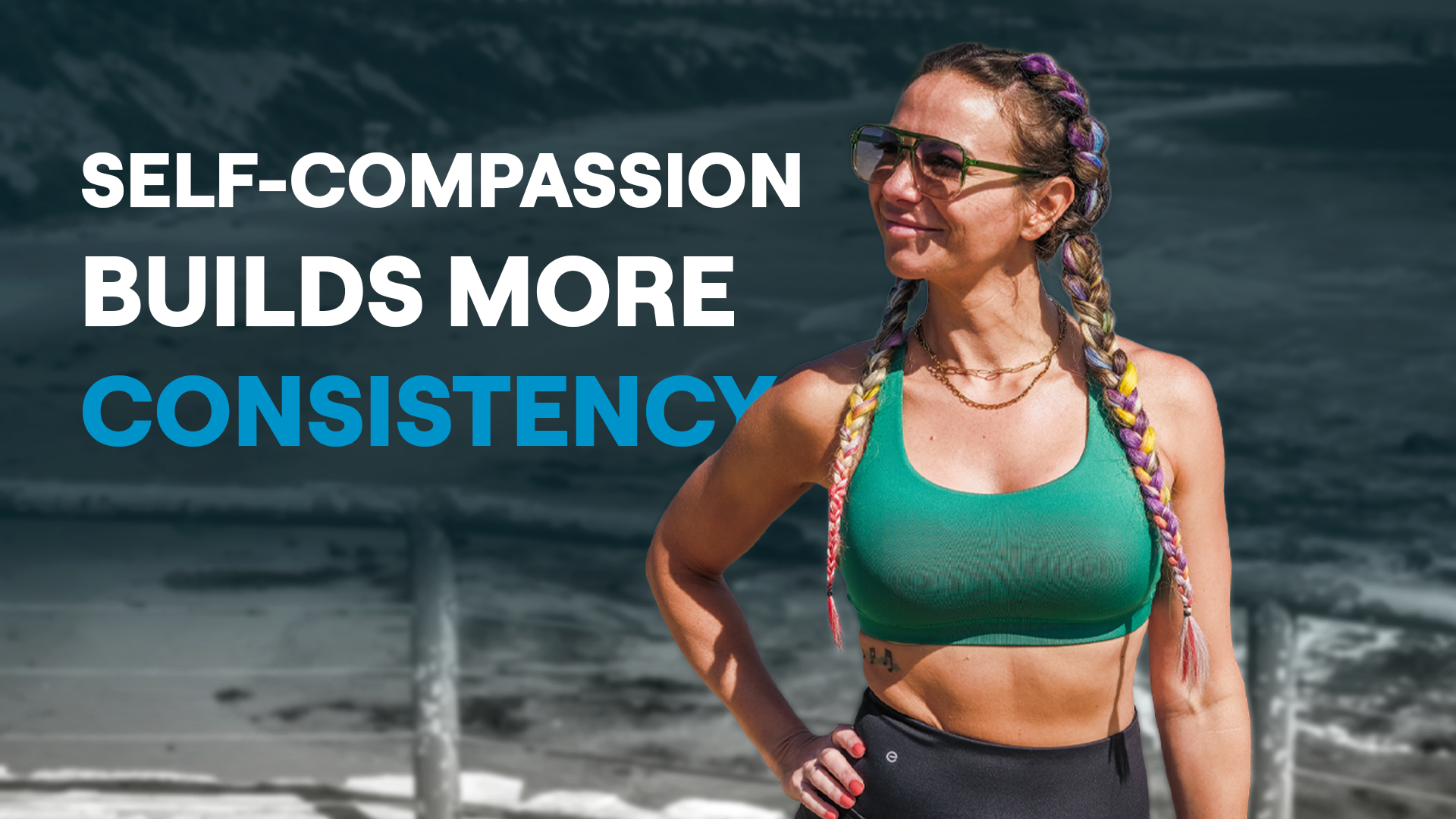
By Ryn Tucker, Echelon Instructor.
Many people use the words mobility and flexibility interchangeably, but they are not the same thing. Understanding the difference between mobility and flexibility can completely change how you move, train, and feel in your body over time.
Many people focus heavily on one while neglecting the other. The truth is simple: long-term fitness requires both. When they work together, movement becomes smoother, workouts feel better, and injuries become less likely.
Let’s break down what each one means, why they matter, and how to build both at any fitness level.
What Is Flexibility?
Flexibility refers to a muscle’s ability to lengthen.
In simple terms, it’s how far a muscle can stretch. When you reach down to touch your toes or pull your heel toward your bottom in a quad stretch, you’re testing flexibility. That’s what you’re seeing when I’m able to put myself in crazy yoga poses. I have natural flexibility.
Flexibility is mostly passive. Gravity, external force, or assistance helps you move into the position. It is the available range your muscles allow.
Flexible muscles reduce tension and can improve comfort during everyday movement. You may even be able to pick things up with your toes and put them away with a high leg kick. I’m kidding a bit, but I actually do that.
However, flexibility doesn’t guarantee control or strength in those positions and that’s where mobility comes in and why it’s important.
What Is Mobility?
Mobility is your ability to actively move a joint through its full range of motion with control.
It combines flexibility, strength, coordination, and stability. Mobility is dynamic and active. You’ve most likely seen this when you come to a mobility class on FitPass.
If flexibility is having access to movement, mobility is being able to use that movement safely and efficiently.
A few examples:
-
A deep squat with good posture requires hip, ankle, and spine mobility.
-
Reaching overhead without arching your back requires shoulder mobility.
-
Walking or running efficiently depends on hip mobility.
Mobility training teaches your nervous system how to control movement, not just access it.
Why People Confuse the Two
Many fitness routines emphasize stretching when something feels tight. But tightness can be a sign of weakness or lack of control rather than lack of flexibility.
A muscle may feel stiff because your body is protecting a joint that lacks stability. Stretching alone might temporarily relieve discomfort, but it doesn’t always solve the root problem.
This is why someone can be very flexible yet still experience pain or movement limitations. I am a walking example of that. I have extreme flexibility so I maintain balance in my body by working on my strength and maintaining mobility.
Mobility bridges the gap between flexibility and strength.
Why Flexibility Matters
Flexibility helps muscles relax and lengthen after repetitive movement and strength training.
Without adequate flexibility, movement patterns can become restricted. Over time, this may lead to imbalances and compensations where other muscles or joints take on extra stress.
Benefits of flexibility include:
-
Reduced muscle tension
-
Improved posture
-
Better recovery between workouts
-
Greater comfort during daily life
For beginners especially, gentle stretches can improve body awareness and feedback. It helps you learn about your body. Take note of how your body feels: what hurts, what’s tight, what’s loose, and what feels good. This will help you figure out what needs to be worked on, what will help you move better.
Flexibility creates space for movement.
Try a restorative yoga class or somatic restorative yoga, both on FitPass now.
Why Mobility Matters
Mobility determines how well your body uses the flexibility you have.
You might be able to stretch deeply on the floor, but can’t control that same position during exercise. That gap often leads to instability or injury risk.
You need mobility for:
-
Joint health
-
Efficient strength training
-
Balance and coordination
-
Increased athletic performance
-
Injury prevention
A good way to think about it is this quote, “You don’t own a range of motion until you can control it.”
Mobility gives you ownership and better functionality overall.
Signs You May Need More Mobility
Mobility may be the missing piece if you experience:
-
Difficulty controlling movements
-
Poor balance
-
Joint discomfort during strength exercises
-
Compensation patterns like arching your back or shifting weight unevenly
Mobility exercises often feel slower and more intentional than traditional workouts, but that’s the point.
They teach your body how to move smarter.
A Real-Life Example: The Squat
The squat perfectly illustrates the difference.
Someone with flexible hamstrings might still struggle to squat deeply if they lack ankle or hip mobility. Their heels lift, their chest collapses, or their knees cave inward.
Meanwhile, someone with strong mobility can move smoothly, even without having extreme flexibility.
The goal isn’t simply getting lower, it’s moving well while you exercise.
Quality movement always beats forced range.
How Strength Training Comes In
Strength training is one of the best ways to improve mobility when done through full ranges of motion.
Exercises like lunges, squats, and rows strengthen muscles while moving joints actively.
Instead of stretching a muscle and hoping it sticks, you build strength within that range so your body trusts it.
Controlled strength work turns temporary mobility into lasting change.
How Beginners Should Approach Mobility and Flexibility
If you’re new to fitness, keep things simple.
Start by adding movement preparation before workouts and gentle stretching afterward.
Try:
-
Dynamic warm-ups (arm circles, hip rotations, hip swings)
-
Slow bodyweight exercises (or light weights to begin)
-
Short post-workout stretches and movements
Focus on how movements feel rather than how deep you can go. Stay in control.
How Intermediate Exercisers Can Improve Balance
At this stage, many people hit plateaus because mobility limitations appear during heavier training.
Add targeted mobility work for commonly restricted areas:
-
Hips
-
Ankles
-
Thoracic spine
-
Shoulders
Spend 5–10 minutes addressing the area you’re working out before strength sessions.
You may notice lifts starting to feel smoother almost immediately.
Advanced Training: Maintaining Longevity
Advanced exercisers should look to protect their longevity.
Mobility and flexibility become recovery tools as much as performance tools.
Incorporate:
-
Active mobility flows
-
Controlled tempo lifting
-
Breath work during movement
The goal becomes sustainability. Train in a way your future body will thank you for.
Long-Term Fitness Wrap Up
Fitness isn’t just about lifting heavier or moving faster. It’s about maintaining the ability to move freely throughout your life. You do this to be more functional and live a healthier lifestyle.
Mobility and flexibility protect your independence, support pain-free movement, and allow you to keep doing the activities you love.
The goal isn’t extreme flexibility or perfect mobility.
The goal is feeling capable in your body for years to come.
When you invest in both, workouts become more enjoyable, recovery improves, and movement starts to feel natural again. How fun is that?
Speaking of fun, it’s me, so we should end on a dad joke. What is the most flexible car?
The Mercedes Bends.
I’ll see myself out.

Why Echelon is Different
See why we are the most affordable and best value at home fitness on the market.